by fljustice | Jun 26, 2026 | Essays/Research, Hypatia, Theodosian Women, Writing
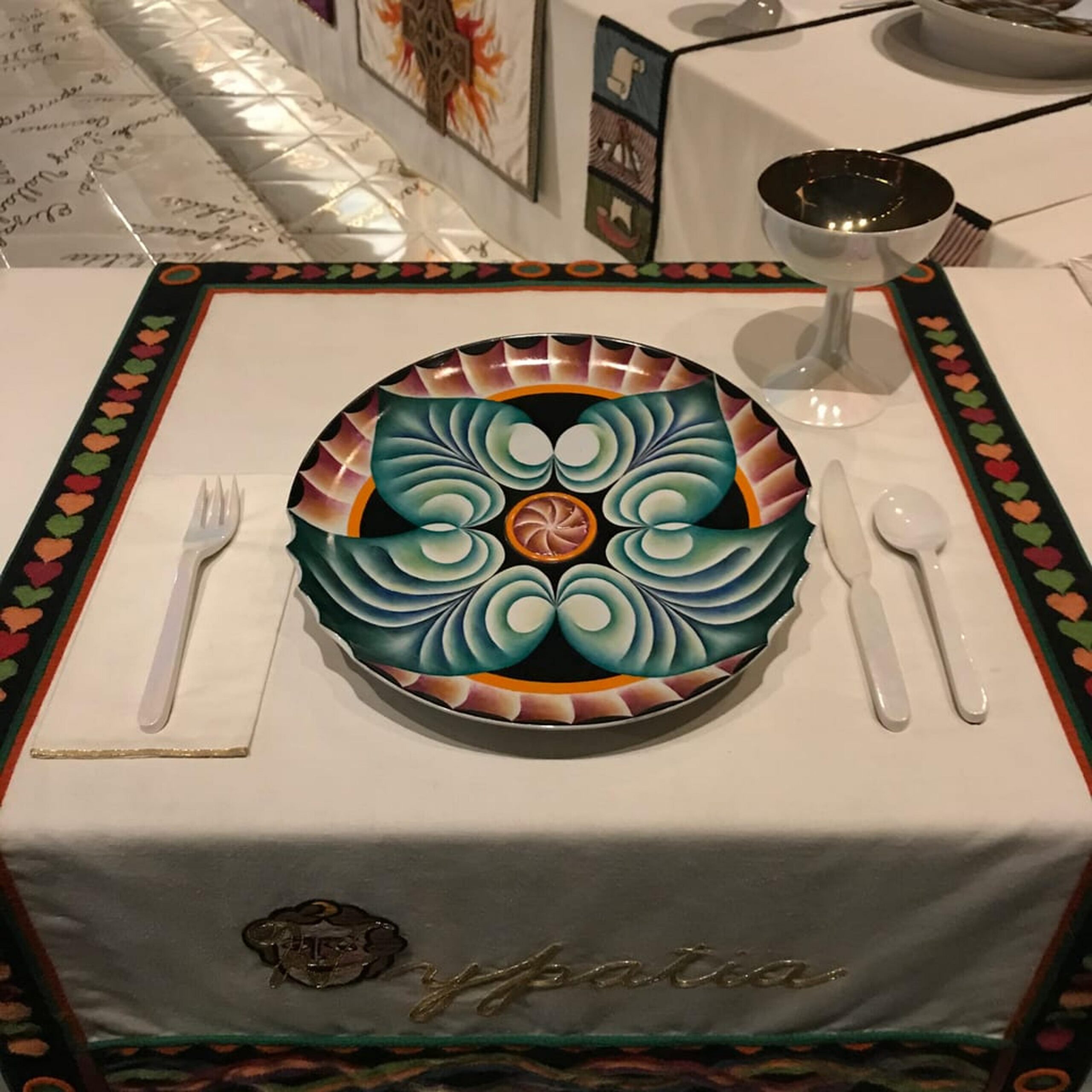
Hypatia setting at The Dinner Party by Judy Chicago.
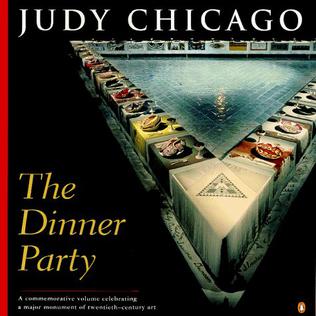
The Dinner Party accompanying book cover.
Our
NYC chapter of the Historical Novel Society took a field trip a couple of weeks ago to the
Metropolitan Museum of Art in Manhattan. One of the exhibits we visited was titled
Costume Art in which various artists created garments inspired by other objects from the Met’s collections. Each garment was displayed on a mannequin with a flat mirrored face so the observer could “see” themselves in the art piece. Many pieces were beautiful. Many were weird. Others were amusing or poignant. A few times I found it difficult to see how some pieces related to the original objects until I read the descriptions. I was awed by the sheer weight of the talent displayed in that huge Gallery 099—all inspired by the art of others.
It reminded me of why I decided to write. Forty-five years ago (yes, I’m old!), I visited a travelling exhibit titled The Dinner Party conceived and executed by the feminist artist Judy Chicago. Dozens of women worked on the huge installation which consists of a triangular table set with 39 places (13 to a side) representing women who had made significant contributions to history from pre-historic goddesses to Virginia Wolf and Georgia O’Keeffe. Each setting has an original ceramic plate and cloth runner embroidered in many styles, reflecting the life of the woman represented. The tiles on the floor include the names of an additional 998 women and one man.
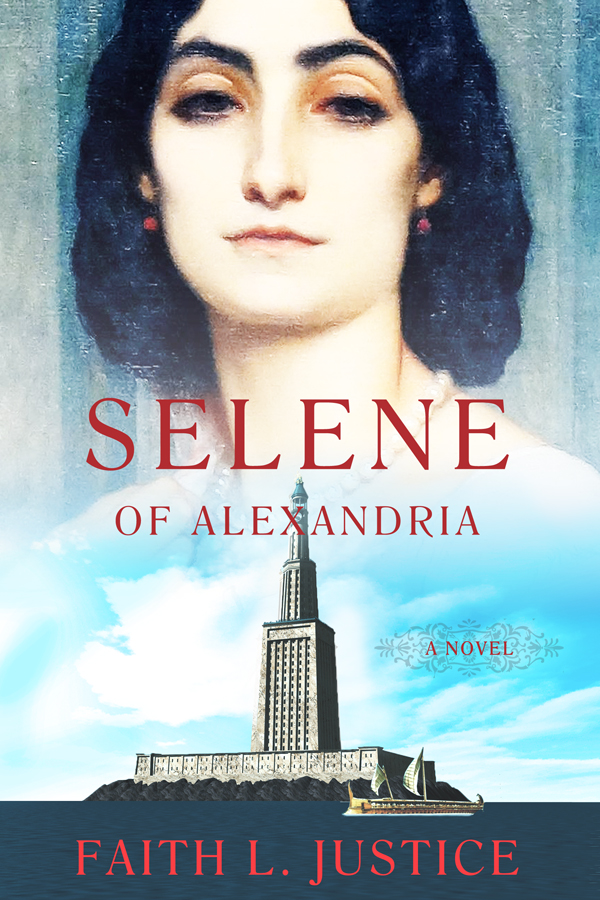
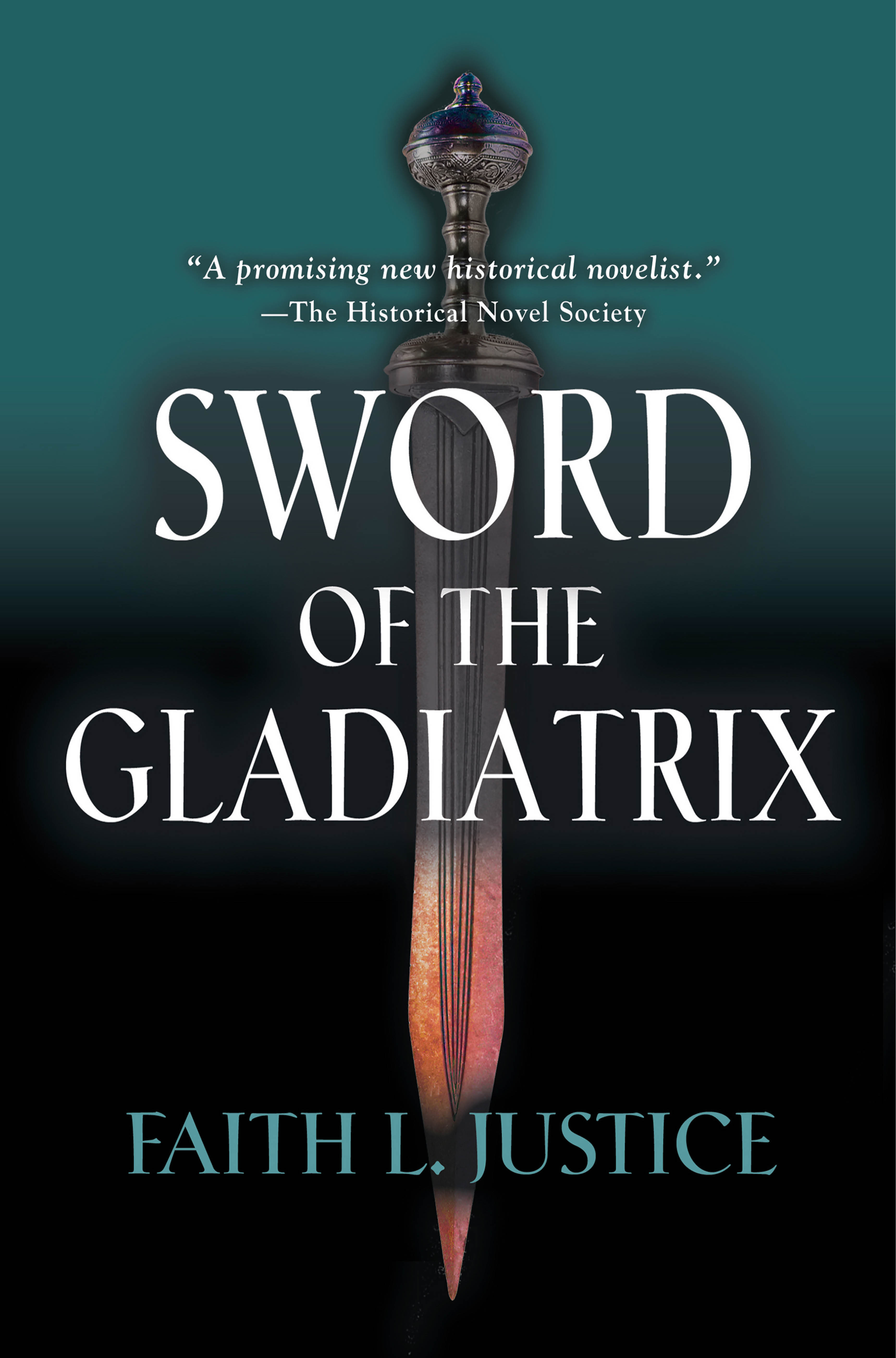
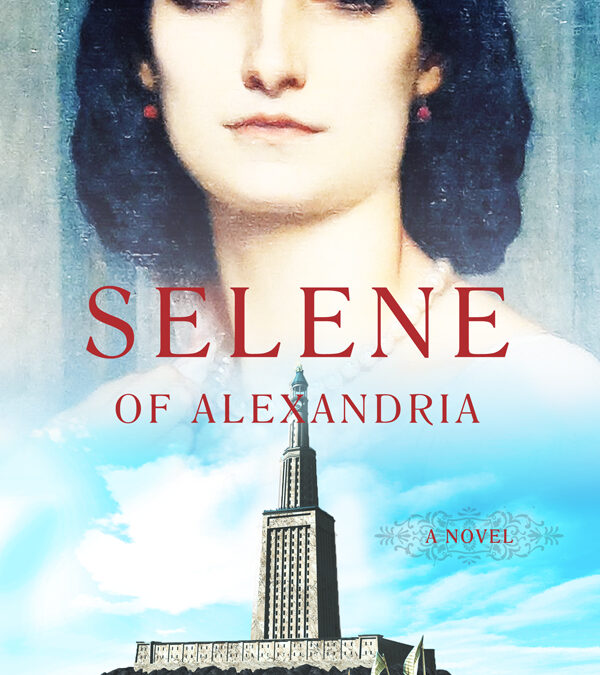
Like the Met exhibit, the sheer size of The Dinner Party installation and volume of work by artists in myriad media took my breath away. I bought the accompanying book, studied it, and fell in love with several of the “guests” including the Lady Philosopher Hypatia of Alexandria. Over the next several years I collected information on Hypatia and eventually wrote my debut novel Selene of Alexandria which featured Hypatia as a major supporting character. I replicated this journey from art to word in several other of my projects. Sword of the Gladiatrix was inspired by an engraved stone slab I saw in the British Museum showing two women gladiators. On that same trip, a “bog body” exhibit inspired an historical fantasy story. I’ve drawn inspiration from art for smaller details in my work, as well. There’s nothing like seeing a gold Celtic torc, Pompeiian fresco, or an Egyptian mummy portrait to add authentic detail to descriptions. I’m sure art inspires many other writers and artists in different media. Next time you’re feeling uninspired about a project, maybe enjoy a day out at the museum.
Fun facts about the Dinner Party:
- The male sculptor Kresilas was mistakenly identified as a women named Cresilla in 1804 and The Dinner Party ladies included him in the floor tiles. Lucky guy.
- All three of my Theodosian Women—Galla Placidia (Twilight Empress), Aelia Pulcheria (Dawn Empress), and Aelia Eudocia nee Athenais (Rebel Empress) have tiles on the floor. They rest in good company.
- Boudicca who is also a major supporting character in Sword of the Gladiatrix is “seated” next to Hypatia. I wonder what they talked about?
- The Dinner Party is now installed at the Brooklyn Museum, so I can visit whenever I’m feeling nostalgic!
by fljustice | Sep 8, 2014 | Essays/Research, Writing
Writing Process Blog Tour!
I see these things going around the internet all the time: “Name ten things that no one else knows about you.” “Name five books that changed your life.” AND “Tap ten of your nearest and dearest to answer the same question.” Shades of chain letters past. Although some are fun and others are silly, all are time sucks. I have to choose carefully or I’d never get anything done. But every now and again one comes along that I’m glad to participate in. The Writing Process Blog Tour is one, because it asks the questions that most readers are interested in knowing about their favorite authors. 
Thanks to Judith Starkston for asking me to join in. Judith shares my love of ancient history, penchant for visiting archaeology sites, and mission to highlight forgotten women. She has a wonderful novel coming out this month titled Hand of Fire: “The Trojan War threatens Troy’s allies and the Greek supply raids spread. A young healing priestess, designated as the future queen, must defend her city against both divine anger and invading Greeks. She finds strength in visions of a handsome warrior god. Will that be enough when the half-immortal Achilles attacks? Hand of Fire, a tale of resilience and hope, blends history and legend in the untold story of Achilles’s famous captive, Briseis.” You can see Judith’s contribution to the blog tour here and contact her through her website, Facebook, or twitter. So here goes:
What am I working on?
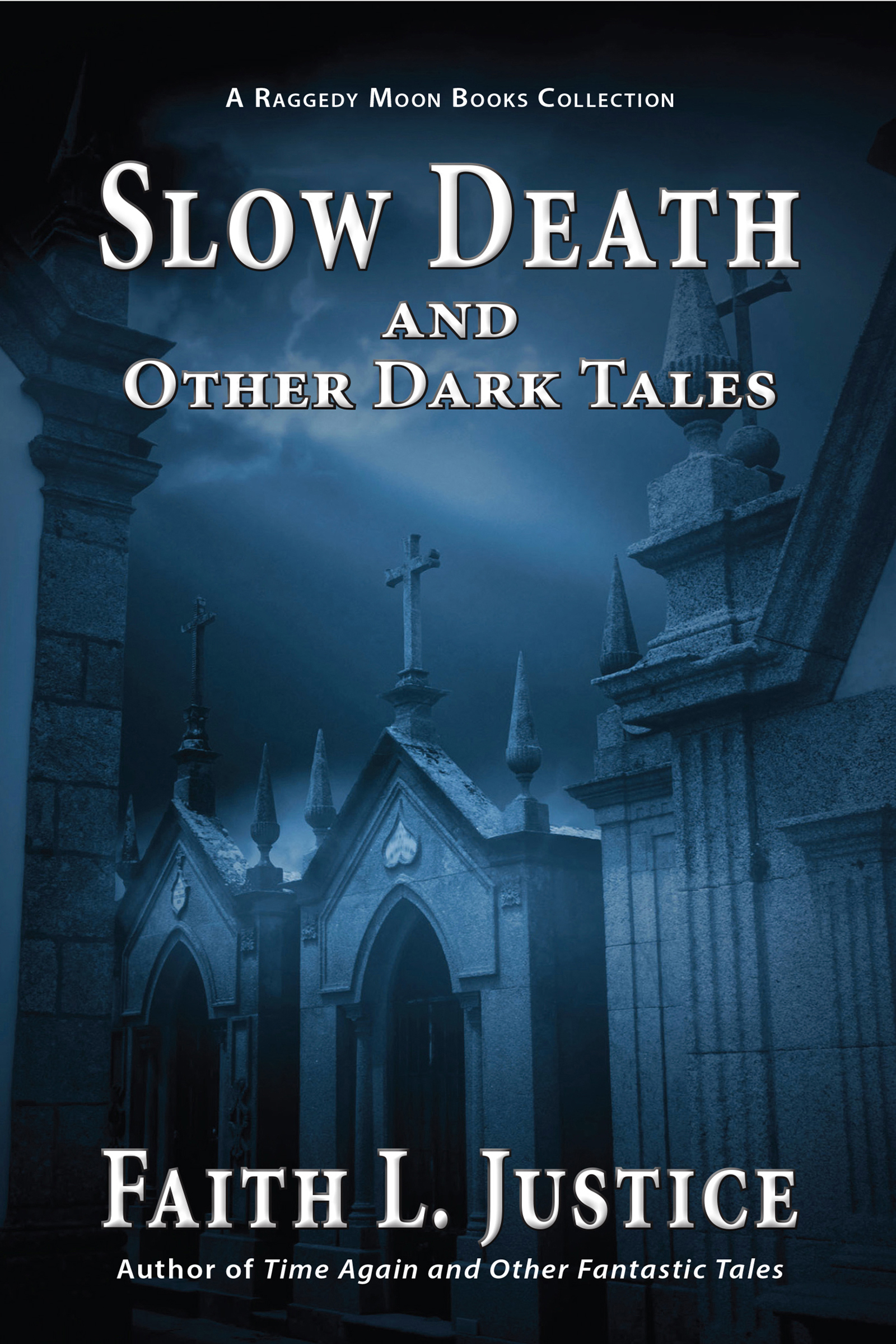
Several projects in various stages. My most complete projects are two collections of short stories that are currently out as ebooks: Time Again and Other Fantastic Stories and Slow Death and Other Dark Tales. I’m proofing the print versions and recording the audio books.
 I’m in the final editing process of a historical novel Sword of the Gladiatrix which I’m very excited about. Here’s the back cover blurb: “Two women from the far reaches of the Empire, enslaved and forced to fight for their lives on the hot sands of the Roman amphitheater. They seek to replace lost friendship, love, and family in each other’s arms. But the Roman arena offers only two futures: the Gate of Life for the victors or the Gate of Death for the losers.” I hope it’s out by the end of the year.
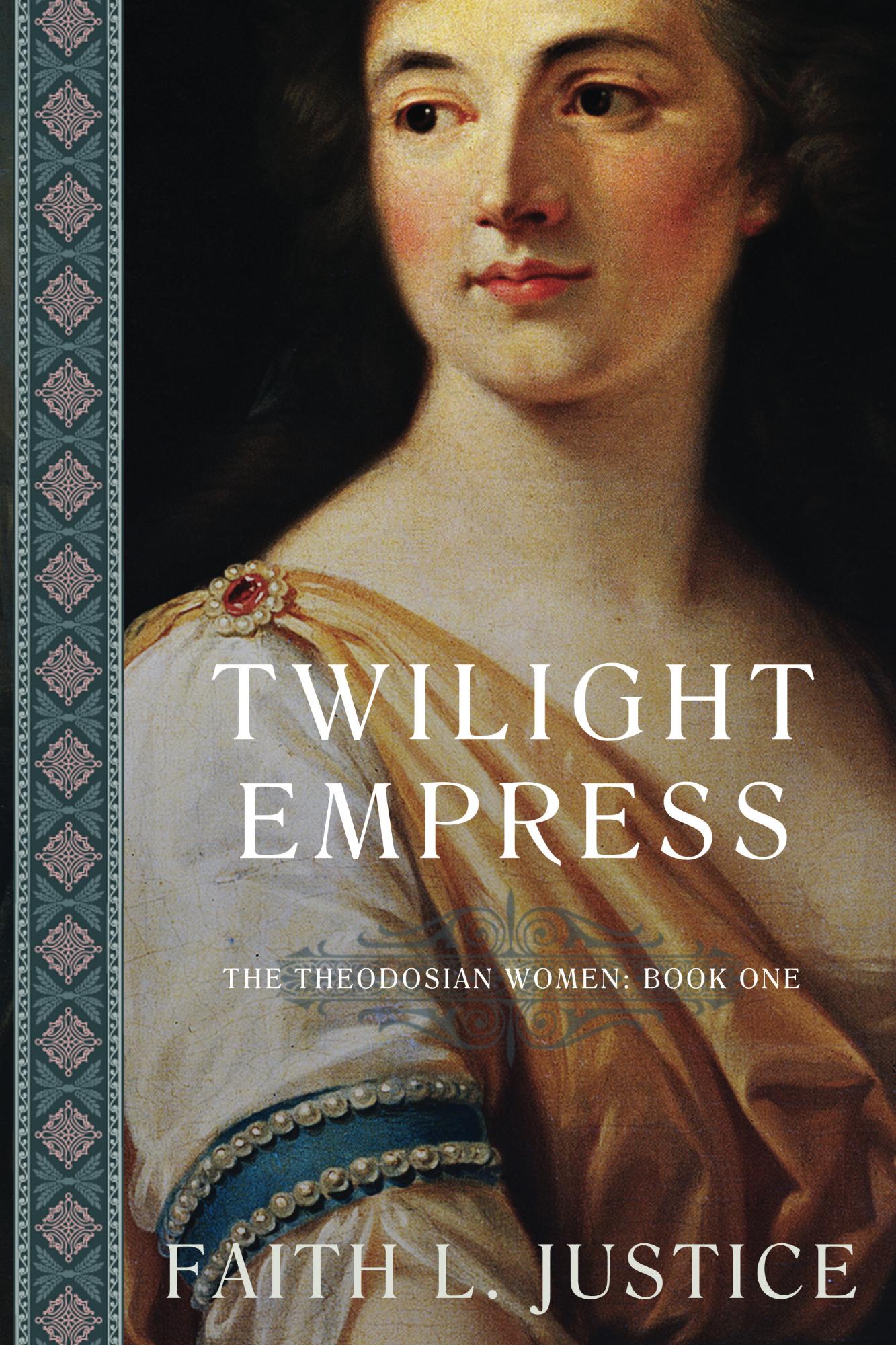
I’m also doing a final rewrite on another novel Twilight Empress: A Novel of Imperial Rome (#1 of the Theodosian Women series) and a novella prequel which I hope to get out next year. I’m working on the second draft of book #2 in the series (Dawn Empress).
As far as new writing goes, I’m in the very earliest stages of writing the first drafts of book #3 in the series (The Athenian Maid) and a sequel to Sword (Song of the Gladiatrix)—both of which, unfortunately, have been taking a back seat to all these other projects. (more…)
by fljustice | Oct 31, 2013 | Fiction, Free stuff, Writing

Reconstruction of the “Lindow Man” bog body. Courtesy of Wikipedia.
Samhain
Samhain–the night of the dead. Yevetha knew from the ice around her heart there was one more ghost to walk the night and haunt her dreams. She clutched a tiny fur blanket to her sunken chest and rocked back and forth, keening. Sixteen summers ago she had ripped a bloody baby from the womb of her dying daughter and had wrapped him in the fur.
Yevetha had searched in the bogs for the rare herbs that would bring on her milk and had endured the pain caused to an aging body as it prepared to nurse the tiny infant. Her love had been rewarded as Bohumil grew into a fine strong young man with his mother’s blue eyes.
At the waning of the last full moon, Bohumil had come of an age to marry. He had packed for the hand of days it would take him to travel to the ocean tribes and set out through the forest to trade for a bride price. The full moon returned. Bohumil did not.
Yevetha pulled her worn skin cloak tighter about her shoulders and turned to the fire pit at the back of the hut. The cramped space reeked of peat smoke and the herbs drying in the thatch ceiling. She pushed at a tangle of coarse gray hair, leaving a smudge of soot across one cheek.
Yevetha had seen forty-six winters. She was weary and there was no one to replace her as healer now that the Sun priests had outlawed the worship of the Great Mother and all Her arts. She spat on the fire. For twenty years the Sun priests had cursed her life. They had converted the village men to their Sun worship and fewer and fewer women met in the secret glade to keep the covenant with the Mother Goddess.
Yevetha pulled a bronze knife from her belt and stretched to cut several herbs from the store in the ceiling. Bitter rue for grief, sweet rosemary for remembrance, and rough hemp for dreams. She took a figure made of twigs from a plain reed basket and tied the tear-stained fur around its waist with a twist of straw. (more…)

by fljustice | Mar 26, 2013 | Essays/Research, History, Wonderful Women, Writing
Where Are All the Strong Women?
 Readers of this blog know I like to highlight fiction and non-fiction that present capable women with strong personalities. I read a post in a forum recently that intrigued me. The person was looking for historical fiction recommendations, but “none of those anachronistic modern women dressed up in historical costumes crap.” I don’t think s/he was disparaging time travel fiction and, yes, I’ve read a few stories where the women seem to have more modern sensibilities than might be warranted. But not all strong females in historical fiction are anachronistic. I’ve read other blog posts by historical fiction writers also deploring recent criticism about strong women described by readers as “too modern” in spite of ample historical evidence that women did and thought as the writers wrote them. Where does the dissonance come from? Why would a reader think a woman couldn’t be a doctor in Late Antiquity, captain a whaling ship, or teach men to fly planes during WWII — all documented events?
I blame school history books. The protagonist in my novel, Selene of Alexandria is a young woman who wants to become a physician in fifth century Alexandria — not a “healer” or midwife — a trained and apprenticed physician. There is ample written and archaeological evidence of women physicians through the ages, including this period. But if you don’t look outside the traditional history texts, you wouldn’t know that. (more…)
by Faith Justice | Jun 25, 2010 | Essays/Research, Writing
Historical Research Using Internet, Interviews and Site Visits
 In Part I of this two-part series, I talked about using books and libraries in doing historical research. Although print matter is a good place to start, in today’s world you can’t ignore the Internet. But there are two problems: quantity and quality – too much of the former and not enough of the latter. Unlike traditionally published books, which have to go through some screening process (in academic circles that can be quite rigorous), anyone can put anything up on the Net and pass it off as truth. So what’s a good historical fiction writer to do?
Stick to sites that have some stake in maintaining their reputation for accuracy such as universities and historical, archaeological and professional societies. Many sites not only update articles, but blog and tweet as well. Others aggregate the news. The Archaeological Institute of America has a daily update of archaeology in the news. When you find interesting aggregators, subscribe to their RSS feed, get email alerts or tweets when new information is posted. Google also has Google Scholar (click on the “more” button at the Google.com home page) that searches professional and scholarly literature. Many newspapers and local government organizations have digitized their archives and can be a great source of primary material. (Remember your best friend the research librarian? Tap them for help on accessing those databases.)
(more…)
by fljustice | May 18, 2010 | Essays/Research, Writing
The Devil’s in the Historical Details, Part I: Books and Libraries
So I’m writing a book set in 5C Alexandria. I know the plot and my characters intimately. I’m typing away at the seduction scene when I think, “Did they have underwear back then or go commando? If they did, what was it like?” What about outerwear? I know the handsome hero doesn’t unzip his pants but does he unbutton, unbuckle, untie, unwrap? Of course I could finesse this with a sentence like, “He dropped his garments onto the floor.” But it won’t be long before readers get impatient with generalities because the devil is in the historical details.
The sights, smells, sounds and descriptions of clothes, food, housing and transportation in a different time make the reader suspend disbelief and join whole-heartedly in the fiction. Valerie Anand, who writes historical mysteries under the pseudonym Fiona Buckley makes this point: “When planning a specific book, I read works on the period, and chase up such details as the layout of particular towns, styles of furniture, fashions of the time, laws in force, and technologies which existed then. I use maps a lot. I had my sitting room floor completely carpeted while I tried to work out whether one could or could not ride a horse from one point to another in a single day. I always try to be accurate, because there is always someone out there who will write in and point out your mistakes.”
(more…)